

Copper Food Sources
Copper food sources are really easy to obtain to support and supplement your diet with added copper. There are so many different foods that are rich in copper for you to choose from. Copper is also abundant in both animal and vegetable food sources, giving added variety of food choice.
In spite of this, it has been estimated that in North America, one fourth of adults are eating less than the average requirement of copper per day. Copper deficiency is also the leading nutritional deficiency of agricultural animals worldwide. This means the animal foods you are eating really should have more copper in than they do. Supporting your daily intake of copper is worthwhile looking into.
The recommended daily reference value for copper is between 1.6mg for males and 1.3mg for females. Of course, pregnant woman must consume slightly more than this to support the healthy development of their baby. This is quite low and a very achievable amount for anyone to consume each day. Also bear in mind this is just the recommended amount for you to intake each day. Consuming copper through your diet is the recommended way to increase your intake each day.
Safe levels of elevated or supplemented copper intake have been estimated to be around 9mg a day for a 60kg adult. This is thought to be when copper levels start to become toxic in the body and this is very normal, as every essential mineral has a toxicity range. Copper is a mineral that you absorb through the small intestines, playing various roles throughout the body.
Why Are Copper Containing Food Sources Important For Your Health?
Copper is an essential nutrient. This mineral is essential for optimal nervous system functioning, while also forming a crucial component of your cellular enzymes that work around the clock to support your metabolism.
Symptoms of deficiencies in copper are well documented. These include anaemia where one experiences fatigue from red blood cell deficiency, impaired growth and metabolic issues. Deficiencies can occur through malabsorption in the digestive system.
Copper & Metabolism
Copper is an essential cofactor to produce energy in the body or ATP. ATP is essential for your body to function each day. Copper forms key enzymes of your mitochondria where this molecule, ATP, is made. This mineral is also needed for the formation of blood cells, including red blood cells. This is why copper deficiency can lead to red blood cell deficient anaemia and excessive tiredness.
Brain Health & Copper
Your nerve cells need copper to properly send messages to each other throughout the entire body. Copper is needed to produce neurotransmitters. Copper is also essential to produce fatty myelin coatings around nerve cells, allowing messages to be sent quicker from cell to cell. Without proper copper levels in the body, reducing myelination, the nerve cells can end up forming incorrectly or even tangling up. This can lead to Alzheimer’s or dementia-like symptoms and neural or brain nerve cell misfiring. Copper is essential for optimal brain development.
Maintaining a satisfactory copper status has various potential health benefits, including for optimal brain health and energy levels. Now that we know a little more about what copper does, let’s look at some high copper foods and food sources.

Top Copper Food Sources
Copper is quite easy to obtain from food and you should have no trouble finding these foods, as well as including them in your diet. Generally, nuts are quite high in copper and are decent go to for most people to support their copper daily intake.
Nuts
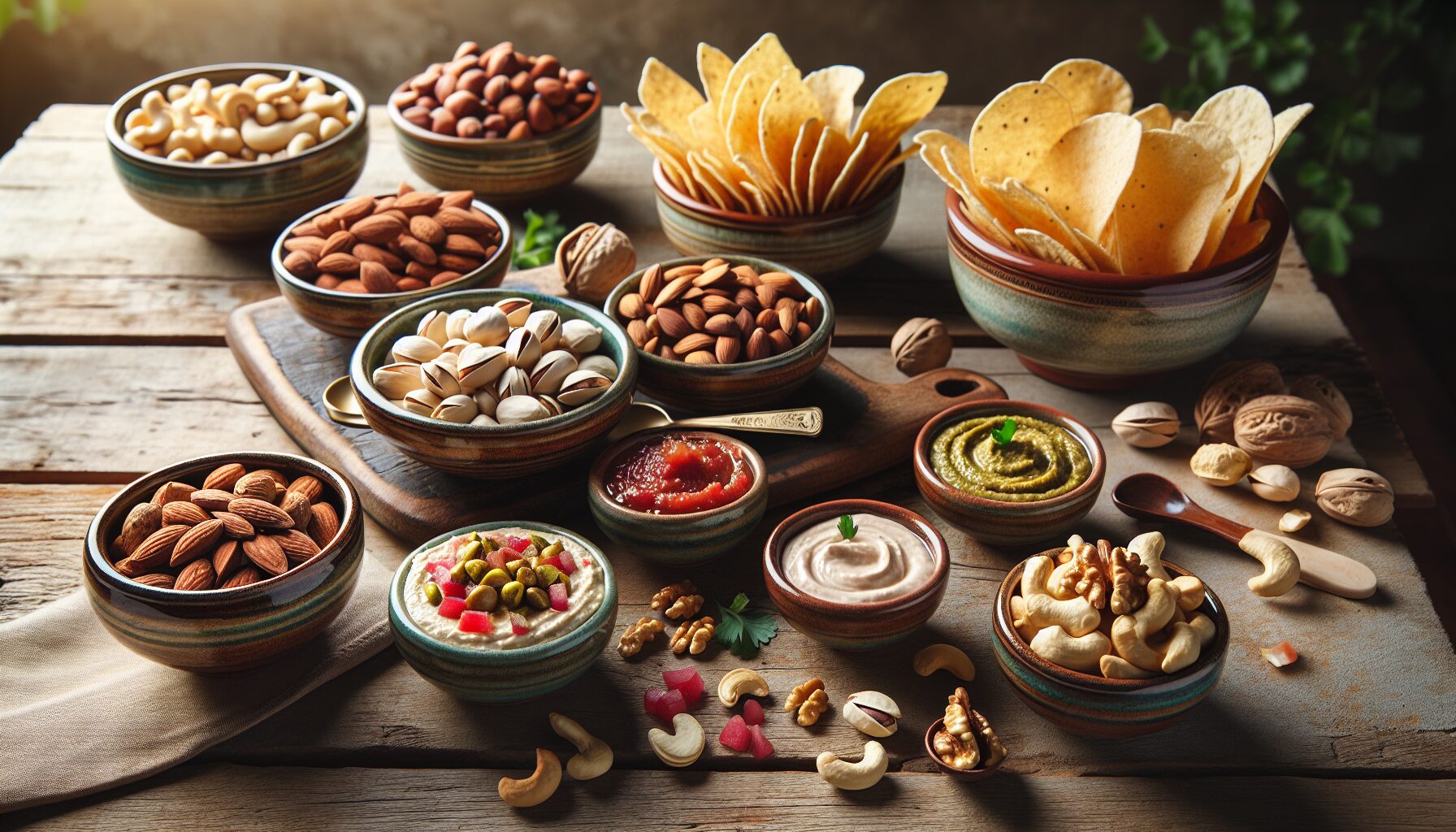
We’ve listed some top copper containing nuts here for you to try. Overall, nuts are a really good food source of copper and any of these ones listed can be easily included as a snack or in some meals. Nuts are an easy food source of copper to find in the grocery store as well.
Walnuts
Walnuts provide 1.5mg of copper per 100grams, offering a copper rich food source to support your daily intake. They are also rich in other essential nutrients and are great to try as a regular snack.
Brazil Nuts
Per 100 grams of Brazil nuts you can obtain 1.74mg of copper. This is also a copper rich food source, containing high amounts of essential nutrients, including selenium.
Peanuts
100 grams of peanuts provide you with roughly 0.5mg of copper. This is not as much as walnuts but covers a nearly a third of your copper RDA.
Cashew Nuts
Cashews are another nut rich in copper, providing up to 2.2mg of copper per 100 grams. This is much in excess of your RDA of copper.
Spirulina
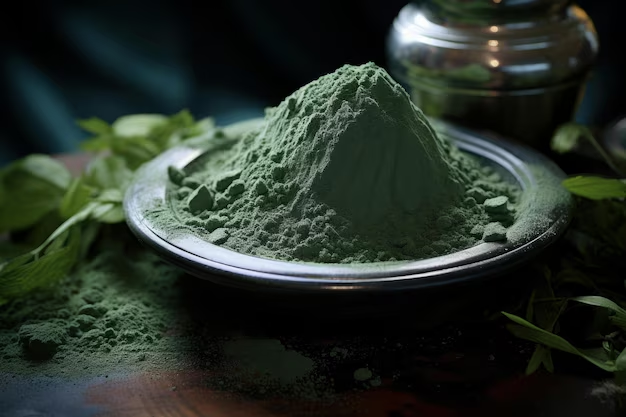
Spirulina powder is one of the most nutrient dense superfoods available to us. It is a blue green cyanobacterium found in the oceans. There is a lot of copper available in 100 grams of dried spirulina, with estimates being around 6mg. This provides a copper rich food source to support your daily intake, especially for vegetarians and vegans. This is about 400% of your RDA per 100 gram serving.
Oysters
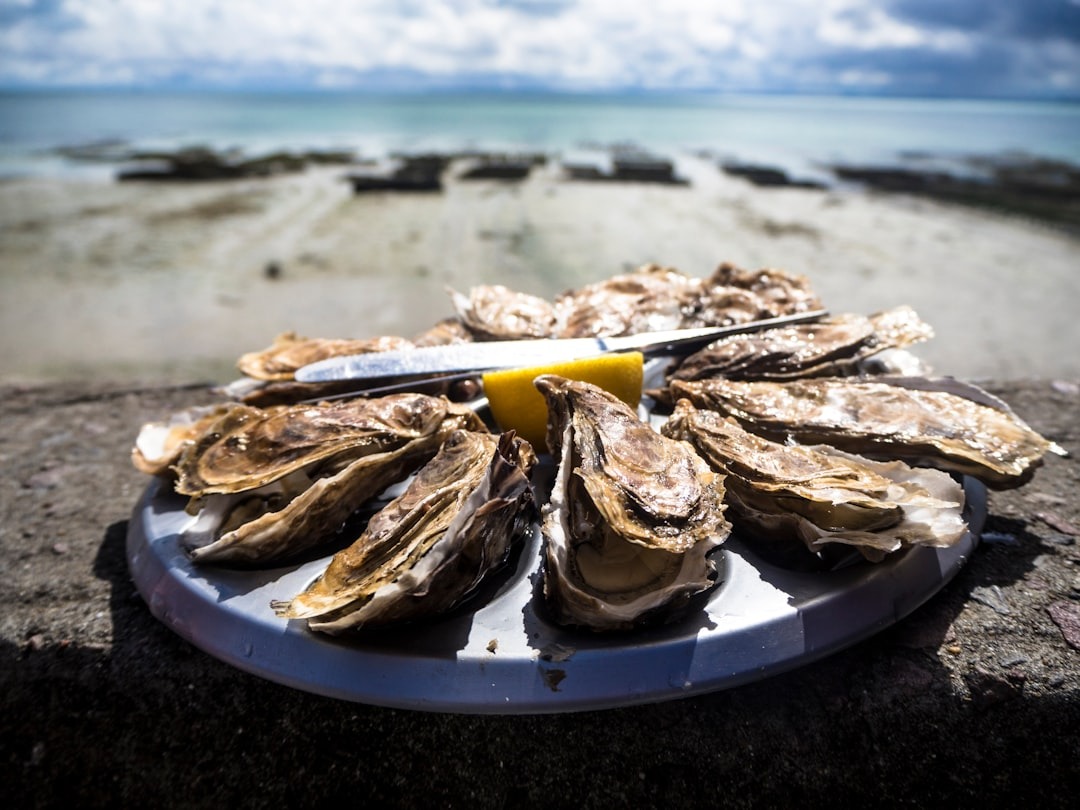
Oysters are not to everyone’s taste but they are rich in copper. This seafood contains 1.58mg of copper per 100g of oysters. If you fancy giving oysters a try, they can provide your entire RDA in one 100 gram serving.
Squid
Fried squid is a particular delicacy in many countries globally that provides a nutrient dense source of various nutrients. Per 100 grams of fried squid or calamari, you can potentially intake up to 2.11mg of copper among other essential nutrients. Fried squid is definitely something for seafood lovers to try, providing well over your copper RDA at around 140% per 100g serving. This really is a copper rich food source.
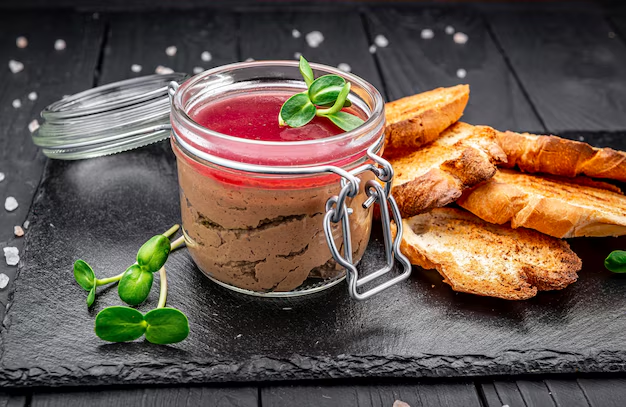
Chicken Liver
When prepared correctly chicken liver can be really delicious. 100 grams of cooked chicken liver provides you with up to about 0.5mg of copper that can be absorbed. This covers a sizeable portion of your RDA in copper, probably around a third dependent on if you are male or female.
Dark Chocolate
Cacao was cultivated originally for its nutrient dense content and forms a large part of dark chocolate. To me real dark chocolate is anything with a 70% or more cacao content. Per 100 grams of dark chocolate, you have about 1.77mg of copper that can be absorbed. This easily covers your RDA for copper and more, proving a copper rich food source.
Lima Beans
Matured lima beans offer a vegetable source of copper intake, providing about 0.24 mg in copper that can be absorbed per 100g of cooked mature beans. You need to eat a lot of them to meet your RDA for copper though in comparison to some of the other foods listed. However, they are a popular nutrient dense source of many nutrients for vegetarians or vegans alike.
Pumpkin Seeds
Another vegetarian source of copper is pumpkin seeds. Whole roasted pumpkin seeds provide up to 0.7mg of copper per 100g of seeds. This is substantially higher than lima beans and not a food that most vegetarians think of when they are looking to form their diets for the week ahead. Pumpkin seeds are rich is many other nutrients too and pumpkins themselves form a delicious soup, especially in the winter.
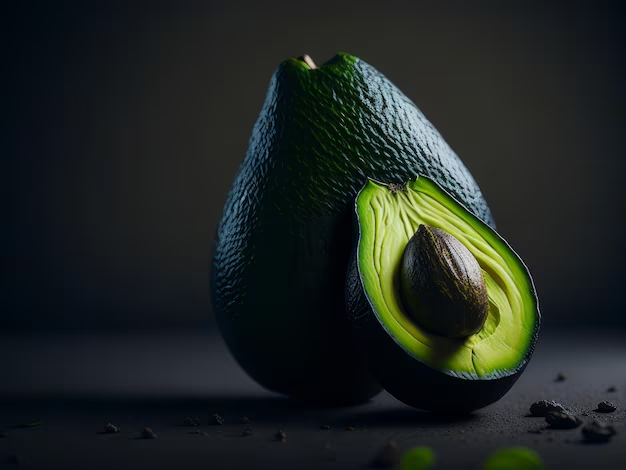
Avocado
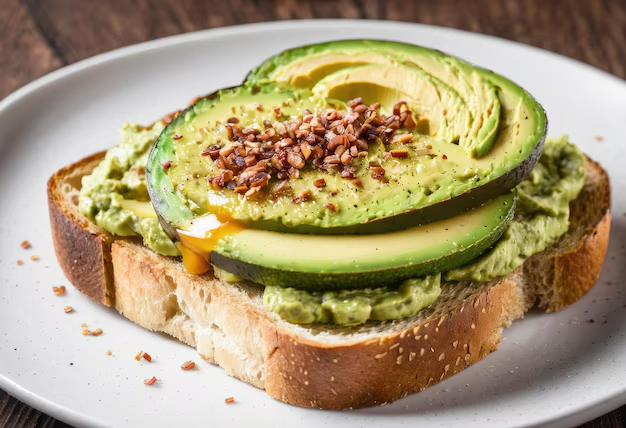
Avocado fruits are a newly popularised food rich in many different nutrients. The copper nutrient status of avocado is 0.19mg per 100 grams of avocado fruit. Avocado can work well as a side to many different main dishes and provides about 14% of your RDA per 100g serving. You can read more about avocados and their nutritional content in the article we wrote dedicated to avocado.
Conclusion
Here we have covered various food sources of copper to help cover your daily recommended guideline intake and more. A lot more people than you would think are deficient in copper, even in developed nations.
Copper is an essential mineral for optimal metabolic function, being crucial for ATP or energy production throughout the body, while also being important for optimal brain health and development.
This mineral helps brain and nerve cells to become myelinated, allowing for optimal speed or message transmission between cells. It also forms a major part of coenzymes for energy production, while also being needed to produce red blood cells. Fatigue and neural or brain dysfunctions form a major part of copper deficiencies.
Food rich sources of copper include nuts, such as cashews and walnuts, spirulina, oysters, squid and dark chocolate. These are all easy to obtain food sources of copper, that can support a substantial amount of your recommended daily intake.
For more interesting articles, navigate to the main articles page below.